Technique2 min read
Numbers, dates and names — the details that cost the most
A wrong figure changes meaning, so examiners treat it seriously. Here is how to drill the small details until they stop being a risk.
By NAATI CCL Prep team
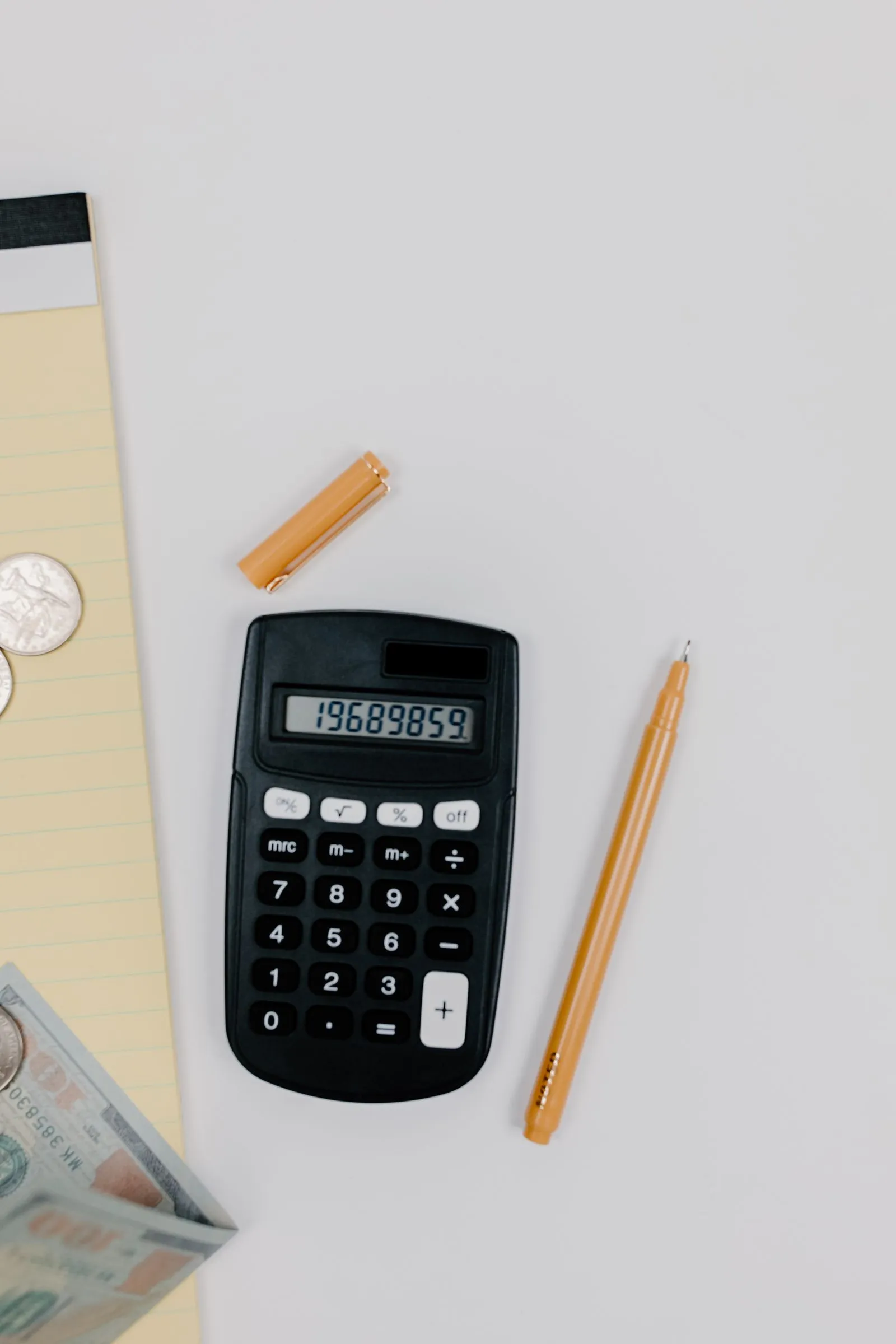
Ask anyone who has sat the CCL what went wrong and you’ll hear about a number. A rent amount, an appointment time, a dosage. These details are small, but getting one wrong changes what the other person understands. Under a marking scheme built on accuracy, that’s expensive.
Why numbers are hard when interpreting
When you read a number you see it whole. When you hear it, you hold it in working memory while you’re also tracking the rest of the sentence. Then you have to say it in the other language, which may group numbers differently. That’s three chances to slip.
Some patterns to watch:
- Large numbers. English groups digits in thousands. Many South Asian languages use lakh and crore, so 150,000 is “one lakh fifty thousand”. Practise moving between the two systems until it’s automatic.
- Teens and tens. “Fifteen” and “fifty” sound close on a poor recording. If you’re unsure, the note you took is your evidence.
- Dates. Australia writes day, month, year. Say the month as a word if there’s any doubt: “the 4th of March”, not “4/3”.
- Times. “Quarter to three”, “half past nine”. Know the idioms both ways.
Names and places
You don’t need to translate names. You need to say them clearly and keep them consistent. If a speaker says “Mrs Davis” in segment one, she shouldn’t become “Ms Davies” in segment six.
For suburbs, government services and organisations, use the English name even when speaking the other language. A client needs to be able to find “Centrelink”, not a translation of it.
A ten-minute daily drill
- Pick ten numbers: prices, phone numbers, dates, measurements.
- Say each one aloud in English, then in your other language, without writing it down.
- Record yourself. Play it back and check every digit.
- Swap direction the next day.
It’s dull, and it works. Most people find their number errors drop off within two weeks of doing this every day.
Pair it with a note-taking system so the numbers you hear always make it onto the page.