Technique2 min read
Why you should record every practice attempt
You can't hear your own omissions while you're speaking. Playback shows you exactly what an examiner would hear.
By NAATI CCL Prep team
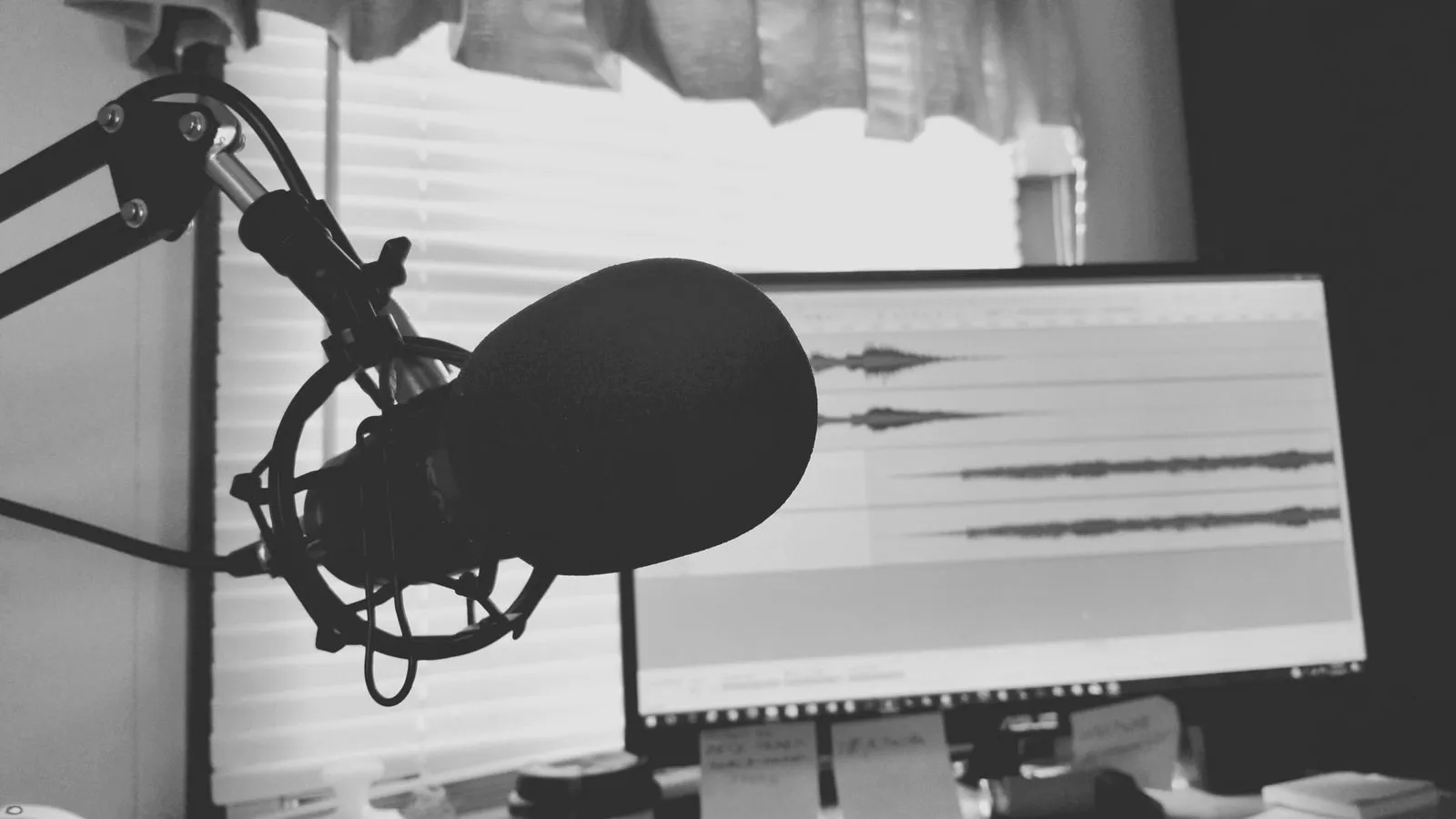
While you’re interpreting, your attention is on what comes next. You won’t notice the word you dropped or the pause that went on a beat too long. An examiner listening to your recording will.
That’s the case for recording every practice attempt: it’s the closest you can get to hearing yourself the way you’ll be marked.
What to listen for
Play back each segment and check in this order:
- Is anything missing? Compare against the source. Lists, qualifiers like “only” or “sometimes”, and negatives are the usual casualties.
- Did anything change? A wrong number, a “will” that became “did”, a “she” that became “he”.
- Does it sound natural? Grammar, word choice and register.
- How was the delivery? Count the restarts and the long “umm”s. Note where you started speaking more than five seconds after the chime.
Fix the first two before worrying about the last two. Marks for accuracy are harder to win back.
Compare, don’t just replay
Listening to your own recording on its own isn’t enough, because you’ll fill in gaps from memory. Play it straight after the model answer for the same segment. The differences stand out.
Model answers are one good interpretation, not the only correct one. If your wording differs but the meaning, tone and detail all match, that’s fine.
Keep the bad takes
It’s tempting to delete a bad attempt and try again. Keep a few. Hearing your attempt at the same dialogue from two weeks ago is the most convincing evidence you’ll get that the practice is working.
NAATI CCL Prep saves your recordings privately with each attempt, so you can come back to them from any device — see the privacy policy for details.